Exploring RDF's core programmatic areas focused on sustainable development and community resilience.
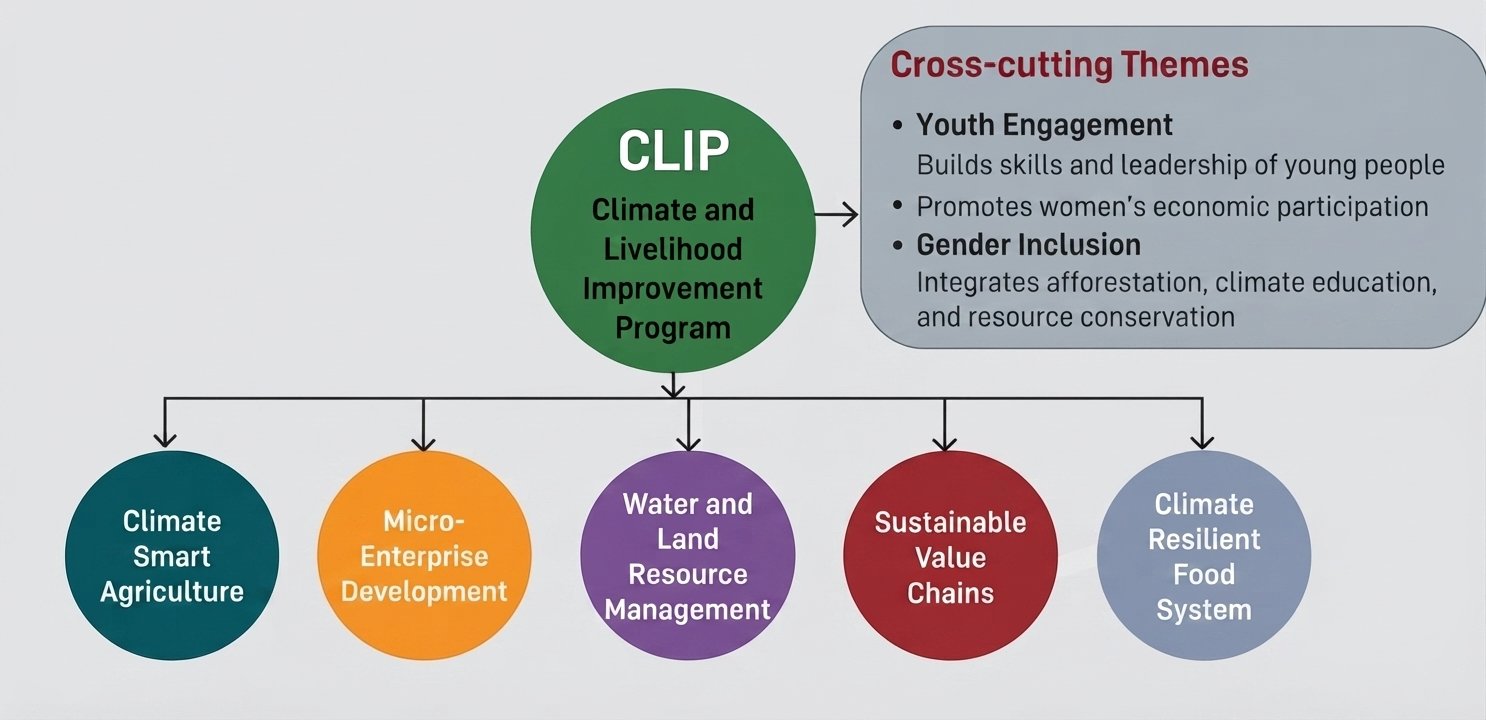
The Climate and Livelihood Improvement Program (CLIP): is RDF’s flagship initiative designed to build climate resilience and strengthen sustainable livelihoods in both rural and urban communities of Sindh.
The program takes an integrated approach, combining climate-smart agriculture, micro-enterprise development, and natural resource management to support vulnerable populations in adapting to environmental challenges and improving their economic well-being.
CLIP promotes climate-resilient food systems by empowering farmers and urban households to adopt sustainable agricultural techniques, improve food production, and reduce dependence on external supplies. Initiatives such as micro-gardening, poultry farming, and urban food markets help enhance household nutrition and income security.
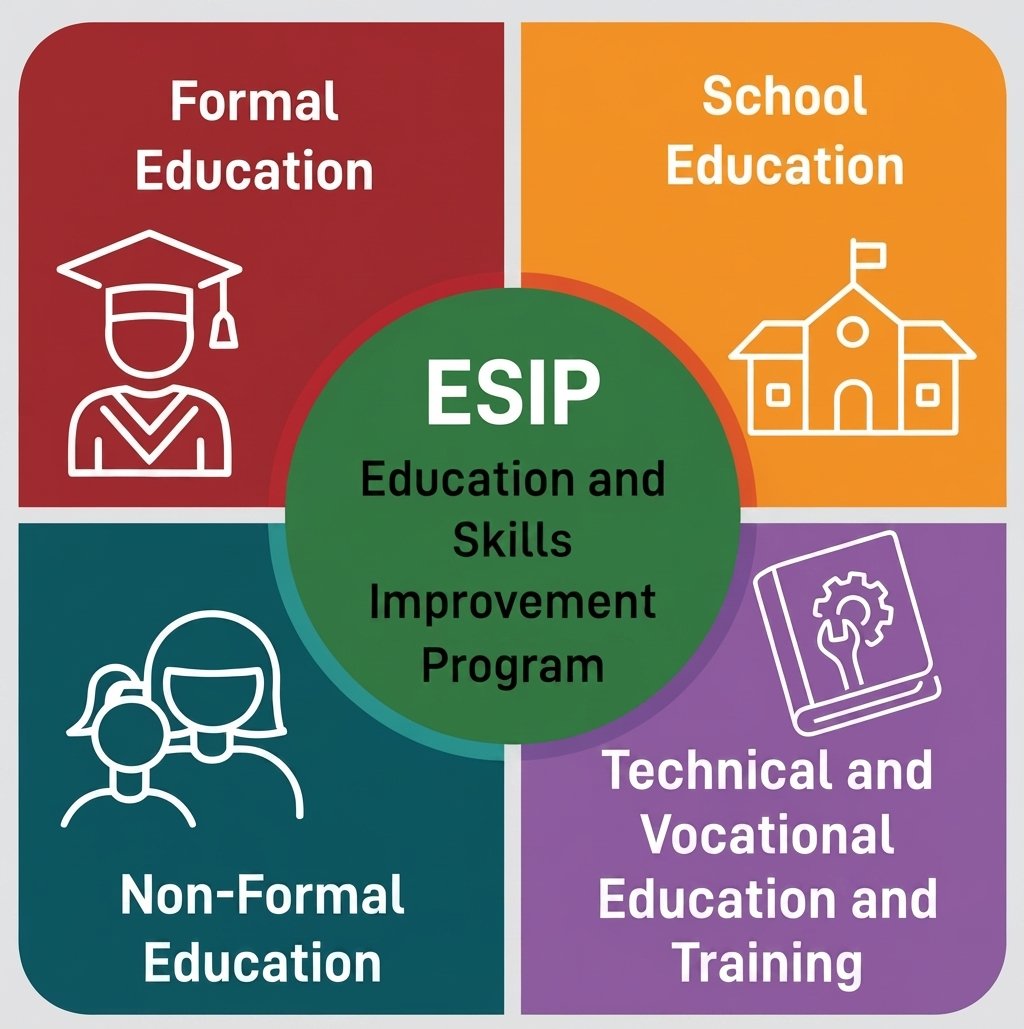
RDF's Education and Skills Improvement Program (ESIP): is a comprehensive initiative that spans formal education, non-formal learning, and technical and vocational training. Through strategic partnerships with public sector institutions and community stakeholders, the program aims to expand access to inclusive, equitable, and quality education while building youth employability across Sindh.
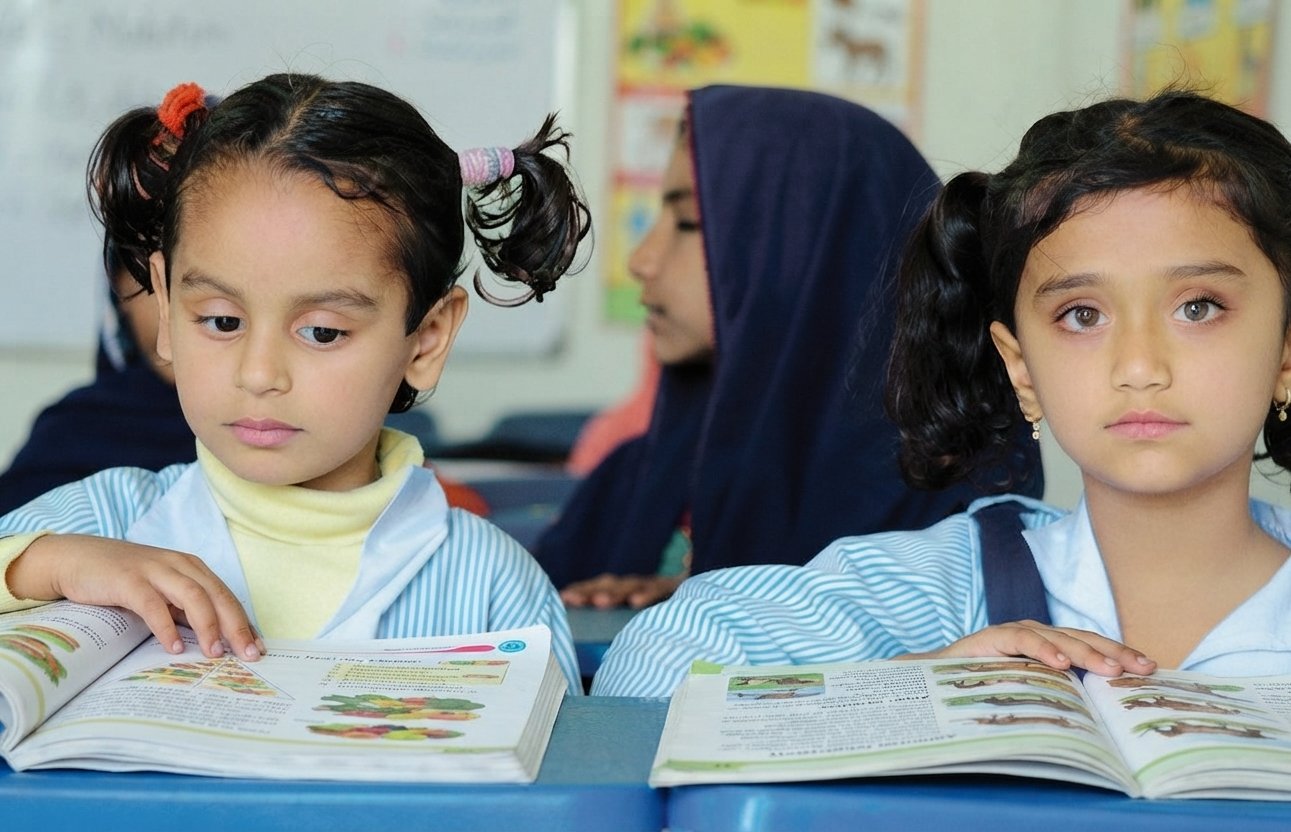
School Education: Under ESIP, RDF manages and supports public schools through formal agreements with the Government of Sindh. These partnerships aim to improve access, especially for girls, enhance learning outcomes, and ensure structured school management. RDF applies a holistic approach that includes infrastructure development, teacher training, technology integration, and community engagement to create a conducive and inclusive learning environment. By serving as an Education Management Organization (EMO), RDF ensures better school governance, professional development of staff, and child-centered academic planning. The organization also operates schools under the People’s School model, offering high-quality, low-cost education in underserved areas. Academic programs are complemented by co-curricular activities, assessment systems, and child-friendly spaces that promote well-rounded development.
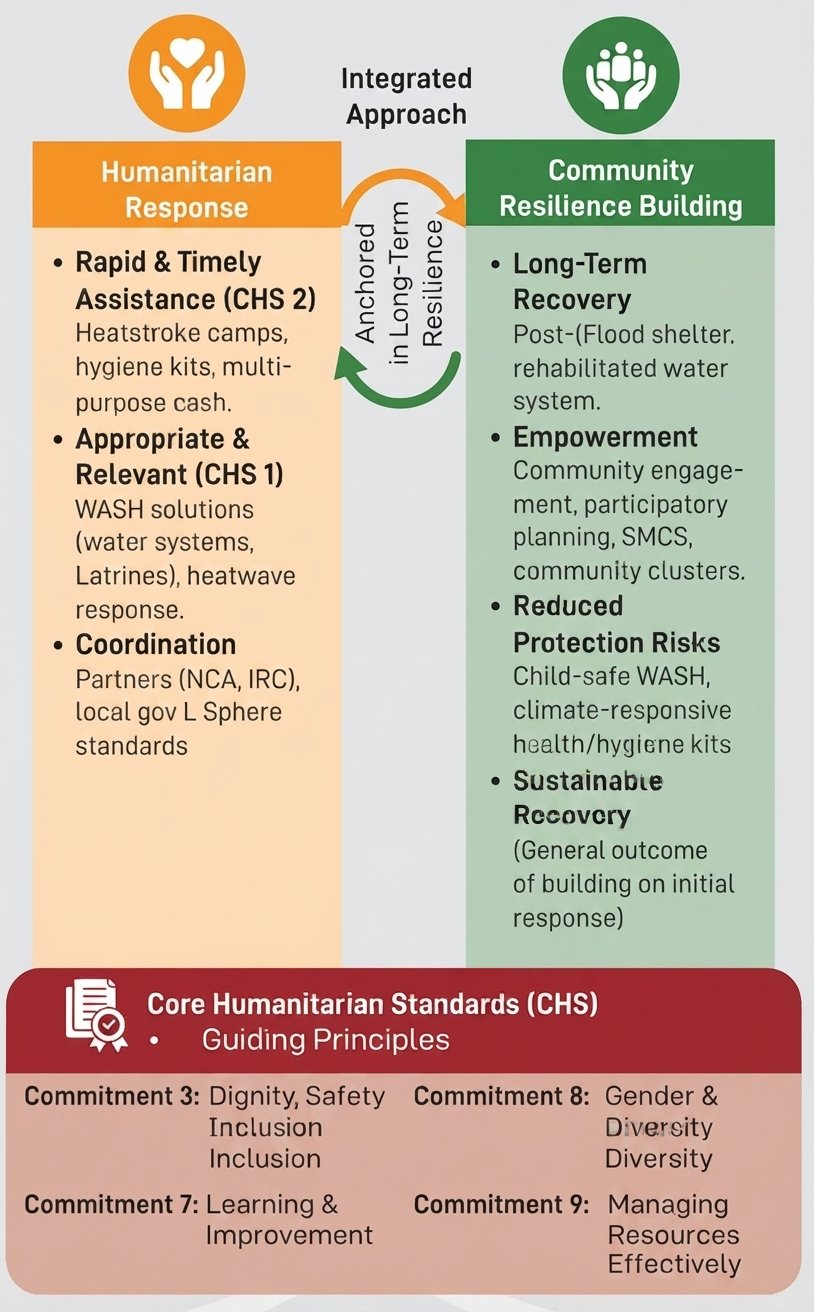
Saving Lives, Upholding Dignity, Fostering Sustainable Recovery: RDF’s Humanitarian Response and Community Resilience Building Program represents a people-centered approach to humanitarian and development action, anchored in the Core Humanitarian Standards (CHS). As climate extremes, water scarcity, and socio-economic vulnerability intensify across rural Sindh, RDF has embedded a principled humanitarian response within its longterm resilience framework, ensuring timely, inclusive, and dignified support for the most affected communities.
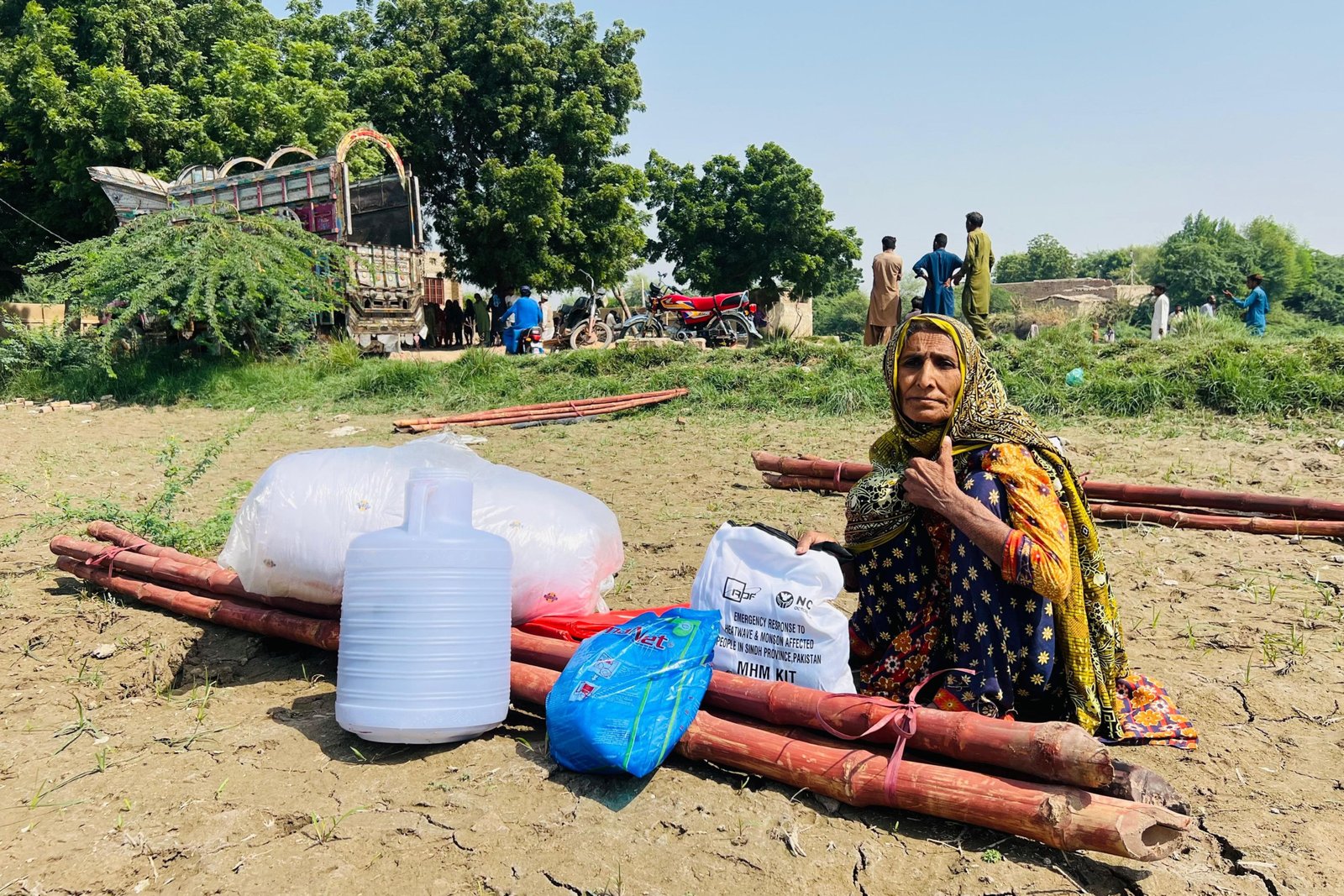
In alignment with CHS Commitment 1 (Appropriate and Relevant Assistance), RDF’s response is grounded in local context, addressing urgent needs through disaster-resilient water and sanitation solutions, heatwave response mechanisms, and post-flood shelter reconstruction. Rehabilitated water systems, solar-powered supply schemes, and the construction of latrines and handpumps in flood-hit areas directly meet life-saving WASH needs while reducing the risk of disease outbreaks.
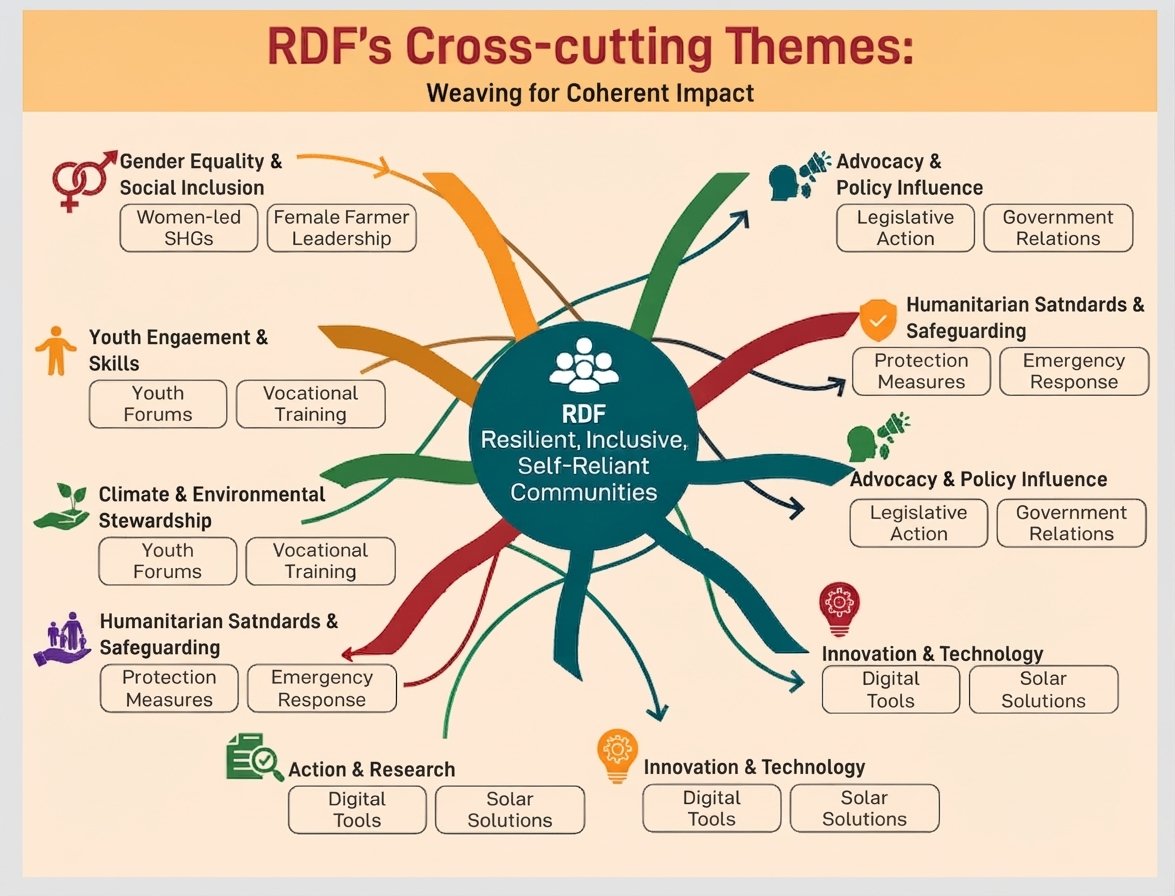
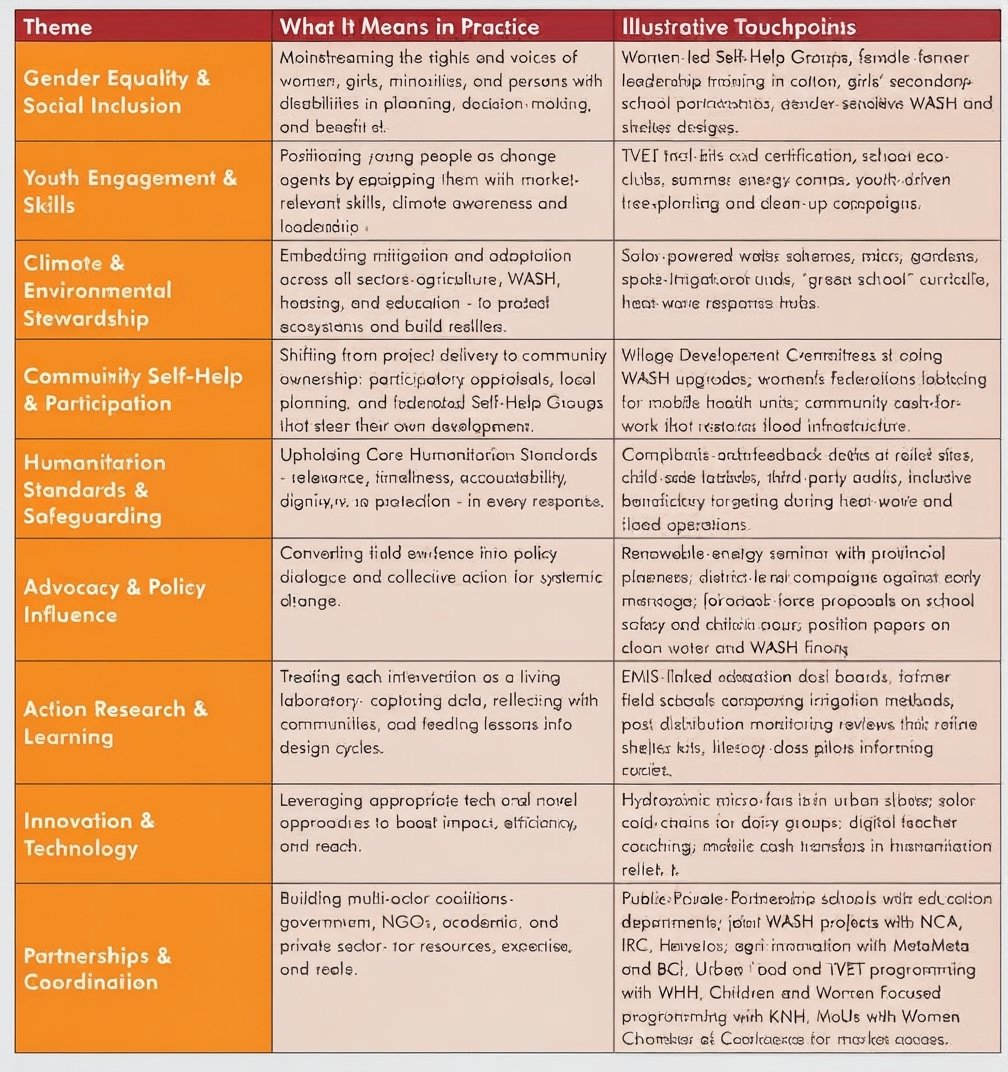
RDF weaves several overarching themes through every program whether it is climate-smart farming, school improvement, or humanitarian response. These themes ensure coherence with our vision of resilient, inclusive, and self-reliant communities and translate high-level values into day-to-day practice.